
Virginia Social Security Disability Lawyers
Representing Norfolk, Newport News & Roanoke
At Kalfus & Nachman PC, we've helped hundreds of people get the disability help they are entitled to. If you are or expect to be totally disabled for a period of 12 or more months, you may be entitled to disability payments from the Social Security Administration.
Contact us online or by phone at (855) 880-8163 today to begin the filing process. “Tell Them You Mean Business.”

Our Services How We Can Help
- Anxiety Disorders & SSDI
- Appealing a Denied SSDI Claim
- Applying for SSDI Benefits
- Arthritis and SSDI
- Back and Neck Problems & SSDI
- Bipolar Disorder & SSDI
- Cancer and SSDI
- Chronic Pain Syndrome & SSDI
- Common Social Security Disability Questions
- Degenerative Disc Disease and SSDI
- Diabetes & SSDI
- Fibromyalgia & SSDI
- Intellectual Disability and SSDI
- Seizure Disorder & SSDI
- Severe Depression and SSDI
- SSDI vs. SSI
- Who Makes the Decision about My SSDI Claim?


Our Recent Case Results we mean business
Over a billion dollars recovered in settlements & Verdicts
-
$10.9 Million Traumatic Brain Injury
Settlement for our 2-year-old client who suffered a skull fracture and traumatic brain injury due to a faulty hotel balcony railing
-
$10.5 Million Truck Accident
Settlement for our client who suffered a traumatic brain injury from a truck accident
-
$7 Million Auto Accident
Settlement for our client who suffered severe and permanent back & spinal cord injuries resulting in paralysis
-
$5.147 Million Truck Accident
Settlement for our client who suffered a traumatic brain injury due to a tractor trailer accident
-
$2.15 Million Premises Liability
Settlement for our client who sustained multiple severe orthopedic injuries due to a ruptured steel tank
-
$2.1 Million Truck Accident
Settlement for our client who sustained multiple internal injuries as a result of a collision with a dump truck
How Our Virginia Disability Lawyers Can Help
The process of applying for early Social Security Disability benefits can be long and frustrating. Without legal help, it can take up to 2 ½ years to get benefits. Hiring Kalfus & Nachman PC to help you receive these benefits can significantly lessen this waiting period. We have solid experience and understand complicated federal regulations governing Social Security Disability claims. We'll help you get through the system to get the benefits you need.
Proudly serving clients in Norfolk, Hampton, Newport News, Portsmouth, Roanoke, and Virginia Beach, Virginia.
our testimonials voices of victory
-
Excellent service, very fast with the lawsuit. I would definitely use Kalfus & Nachman again. Thank you so much for all your help.- Rebecca S.
-
I had a wonderful experience with this company Jessie Suites and the whole Kalfus and Nachman family, and another special thank for her kindness and support, Ella Baskin. I really love y’all like family.- Latasha M.
-
They did an excellent job with my case and had no issues or problems. Call the hurt line they can help.- Benjamin W.
-
Patient, understanding, considerate, and loyal. These were the characteristic of Mrs. Carmen Caswell. Job well done!- Leroy M.
-
The law firm helped me throughout the long healing process and assisted me in getting a settlement.- April
-
Paul and Kathleen were great! Very patient, kind, and their guidance was wonderful. I'm so glad we chose this group to help us with our accident.- Jillian
-
The service was comfortable, friendly, and inviting. Everyone seemed to want me to be successful in my recovery and suit. The receptionist, Ms. Ella, was very friendly and helpful.- Jacqueline
-
Happy with my choice of choosing this law firm to represent me with my case. I highly recommend anyone to use this law firm.- Christina
-
I love this law firm. My lawyer was confident, worked with my needs, and got RESULTS. His name is Ryan Suit. Ella Baskin was also very helpful.- Jasmine G.
-
Kalfus & Nachman are good at what they do. I would recommend them to anyone looking for professional help.- Joann A. W.
-
When speaking with the attorneys or their personnel, they have always always been polite and answered any questions I had.- Cashel
-
Friendly and hard-working people. Always there for the client's needs. Will continue being a client for any other needs I may have.- Tanya N.
-
Ms. Vaughn is simply amazing, very professional, and helpful through my disability case... I highly recommend her to handle your case!- Michael W.


The ones that make it happen Experience You Can Feel Confident In
-
 Paul R. Hernandez Attorney
 -
Thomas A. Fitzgerald, II Attorney
-
Seth D. Scott Attorney
-
Christopher I. Jacobs Attorney
-
Michael J. Levens Attorney
-
Colin P. O'Dawe Attorney
-
Neal C. Schulwolf Attorney
-
Deborah B. Vaughn Attorney
-
Michael Sternberg Attorney
-
Brian A. Thomasson Attorney
-
Jeffry A. Sachs Attorney
-
Gregory E. Camden Attorney
-
Gregory L. Sandler, Esq. Attorney
-
Massimo Morabito Attorney
-
William Nossen Attorney
-
Elizabeth O'Conor Attorney
-
Catherine Sullivan Attorney
-
Elisabeth Ann. Moore Attorney
-
A.J. Kalfus of Counsel
-
Stuart L. Nachman of Counsel
-
Richard F. Aufenger, III of Counsel
-
Jesse M. Suit III of Counsel
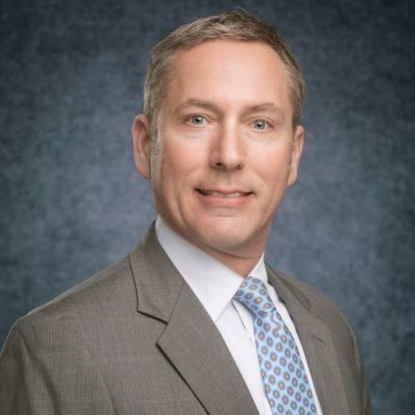
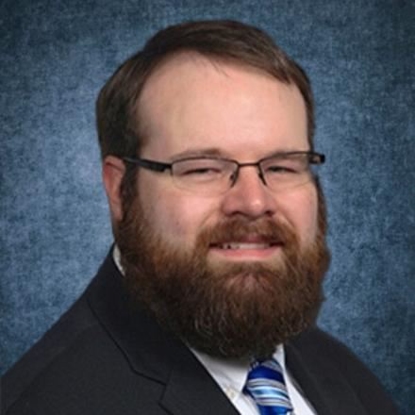
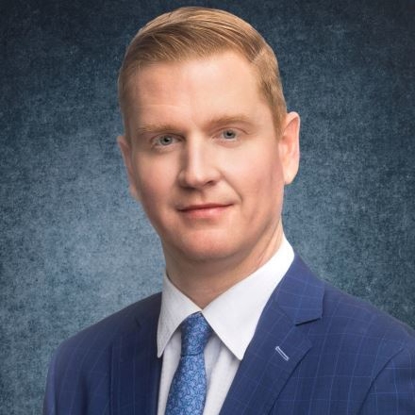
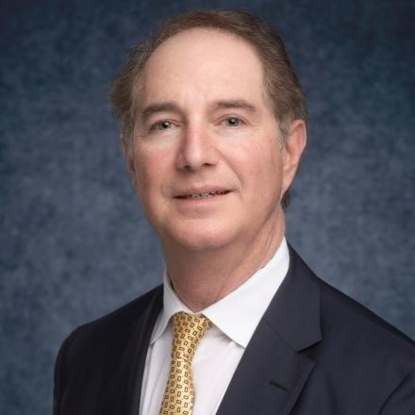
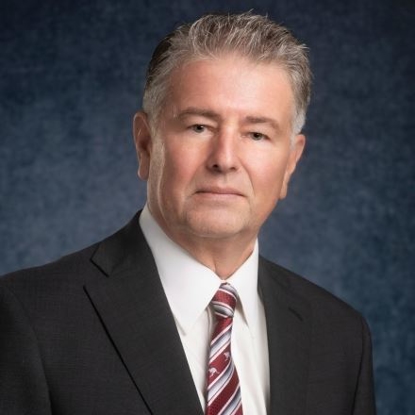
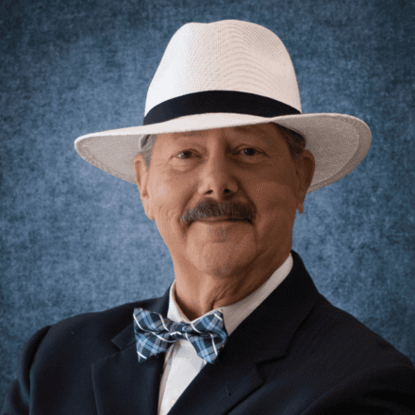
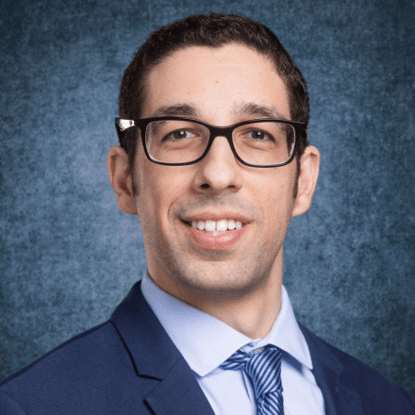


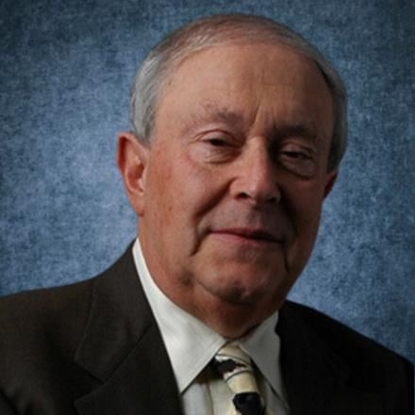

A Powerful Team in Your Corner what sets us apart
-
Built to Battle
We know how insurance companies try to limit claims — and after 45+ years, we know exactly how to stop them.
-
Serving Since 1979
For over four decades, we've guided thousands of Virginia clients through complex legal challenges, earning trust through proven results.
-
Complete Legal Coverage
Personal injury, workers' compensation, Social Security Disability — no matter your situation or location across Virginia, our team is here to provide comprehensive legal support.
-
Millions Recovered
From a $10.9M TBI settlement to a $7.1M truck accident recovery — we've secured the financial support our clients need, and we're ready to fight for yours.